Mete Erdogan

I am a first-year PhD student in Electrical Engineering at Stanford University, working with Mert Pilanci and James Zou. My research focuses on efficient ML systems and agentic AI.

I am particularly interested in how language models can reason, adapt, and interact in complex environments. My work spans agentic AI, efficient sequence modeling, model compression, and methods for making large-scale learning systems more computationally and memory efficient. More broadly, I draw on ideas from optimization, information theory, and signal processing to develop scalable and adaptive learning methods.

Before Stanford, I worked at EPFL with Volkan Cevher on language model pruning, compression, and non-Euclidean optimization methods for deep learning. I completed dual B.S. degrees in Electrical and Electronics Engineering and Computer Science at Koç University, where I worked with Alper T. Erdogan on deep learning theory and biologically plausible learning rules alternative to backpropagation.
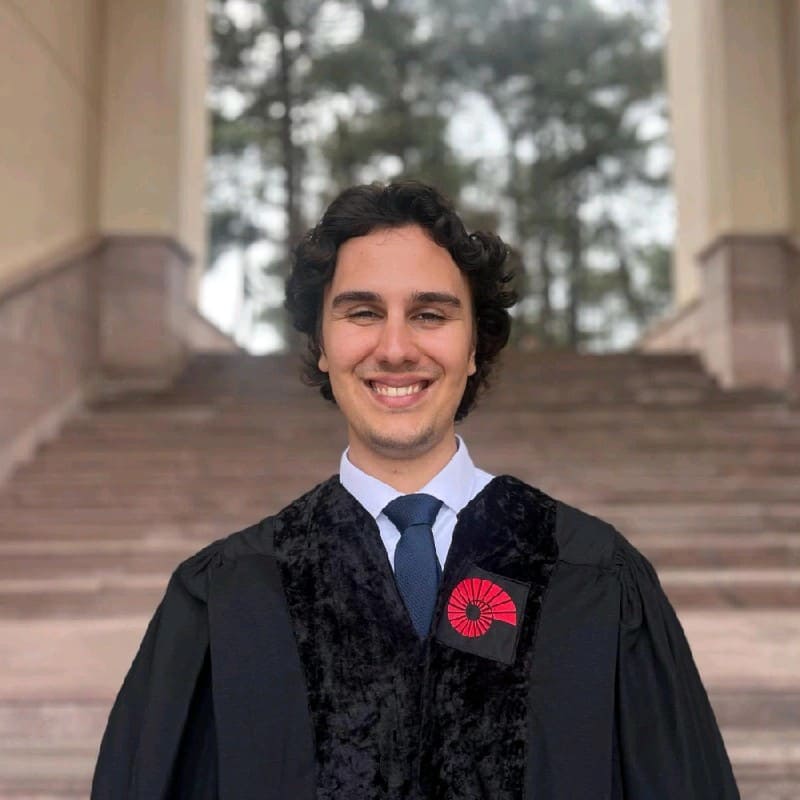
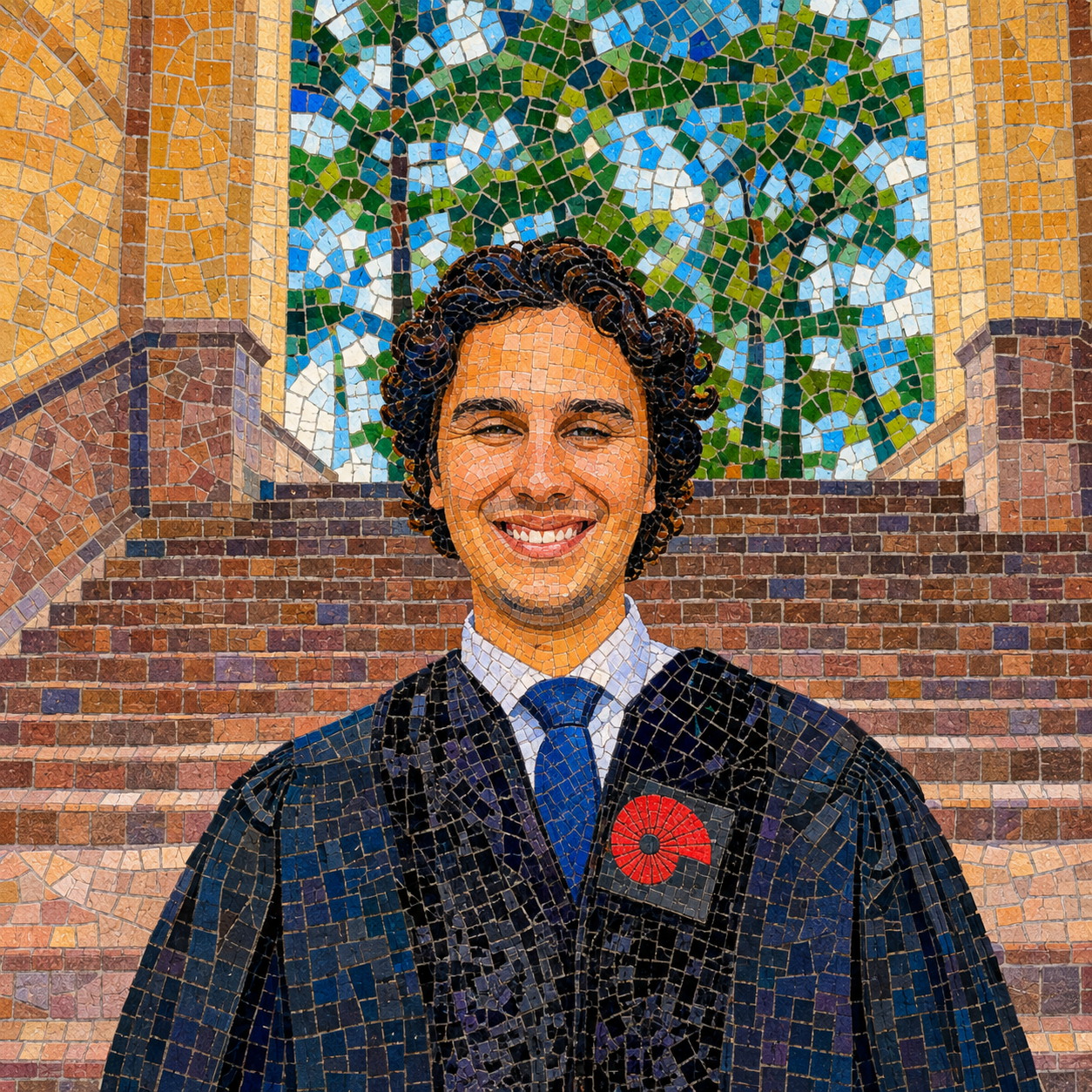
Mete Erdogan Mosaic portrait of Mete Erdogan

Research

I am broadly interested in building capable, efficient, and adaptive AI systems. Current research directions include:

(i) Agentic AI — studying how language models can reason, use tools, interact, and coordinate with other agents;

(ii) Efficient sequence modeling — developing scalable attention and memory mechanisms for long-context reasoning and inference;

(iii) Alignment and post-training — developing post-training methods to shape model behavior, preferences, and task performance;

(iv) Model compression and inference — improving the efficiency of deployment through pruning and quantization.

Publications
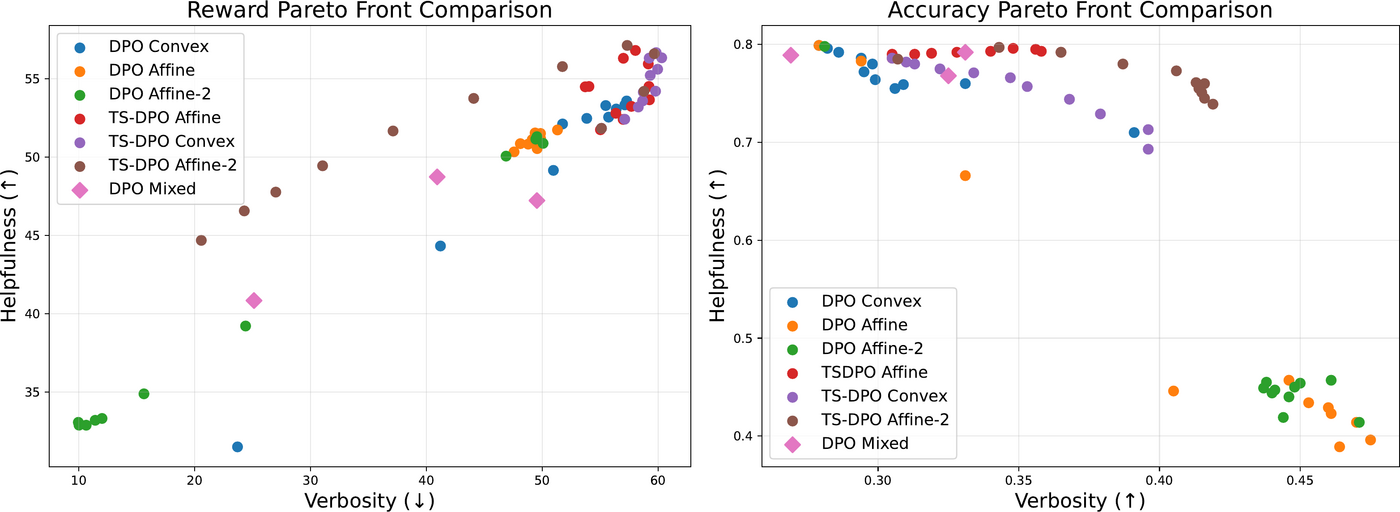
Tangent Space Fine-Tuning Figure 1
Tangent Space Fine-Tuning for Directional Preference Alignment in Large Language Models
Mete Erdogan.
Preprint, 2026.
arXiv
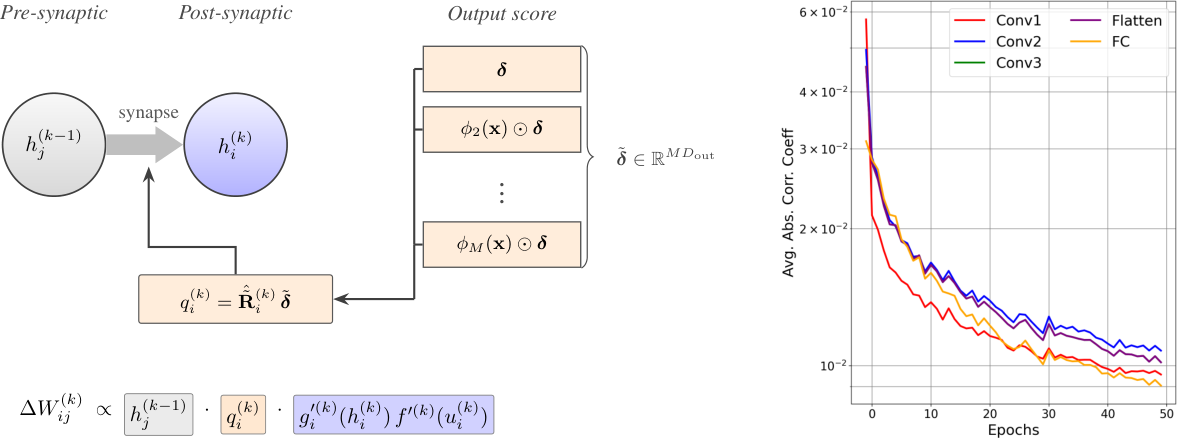
Score Broadcast and Decorrelation Figure 1
Score Broadcast and Decorrelation: A General Framework for Broadcast-Based Credit Assignment
Mustafa Uzun, Mete Erdogan, Cengiz Pehlevan, Alper T. Erdogan.
Preprint, 2026.
arXiv
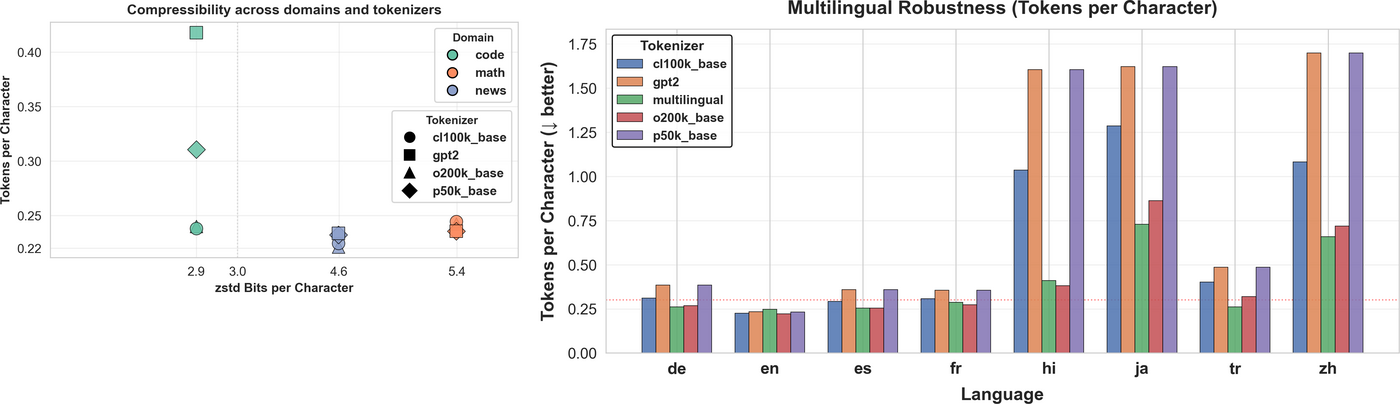
An Information-Theoretic Perspective on LLM Tokenizers Figure 1
An Information-Theoretic Perspective on LLM Tokenizers
Mete Erdogan, Abhiram Gorle, Shubham Chandak, Mert Pilanci, Tsachy Weissman.
IEEE International Symposium on Information Theory (ISIT), 2026.
arXiv
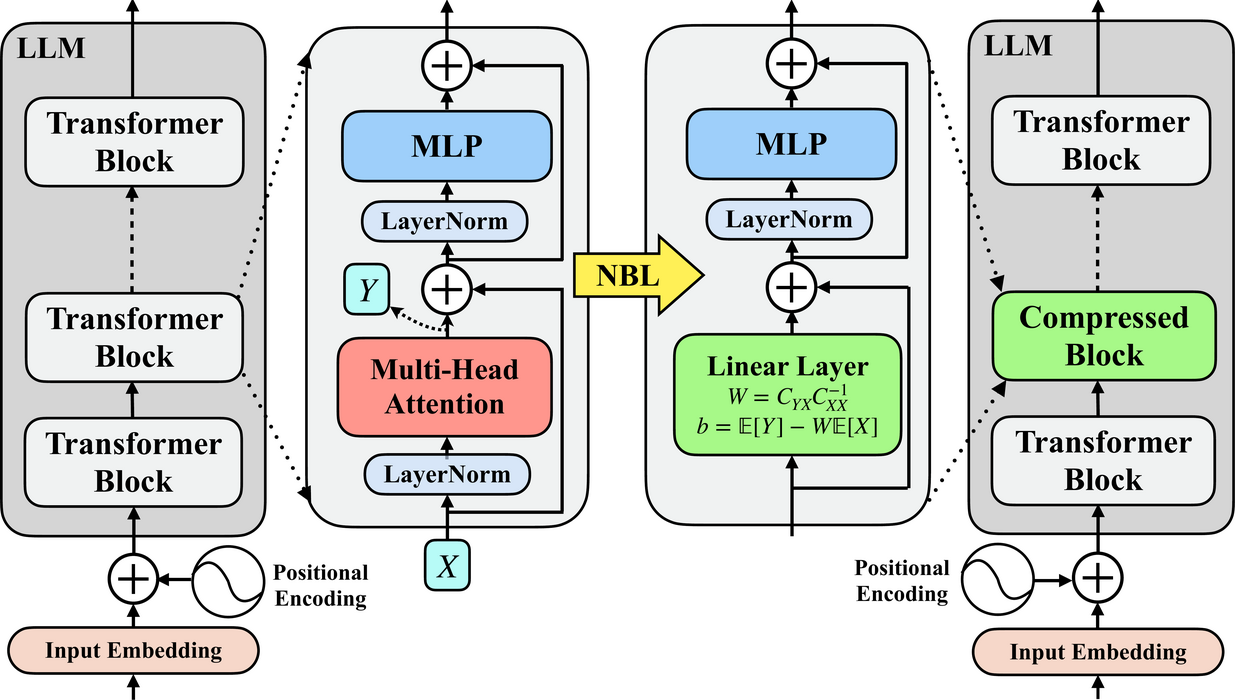
Neural Block Linearization Figure 1
Efficient Large Language Model Inference with Neural Block Linearization
Mete Erdogan, Francesco Tonin, Volkan Cevher.
NeurIPS 2025 (Main Conference Track).
arXiv   code
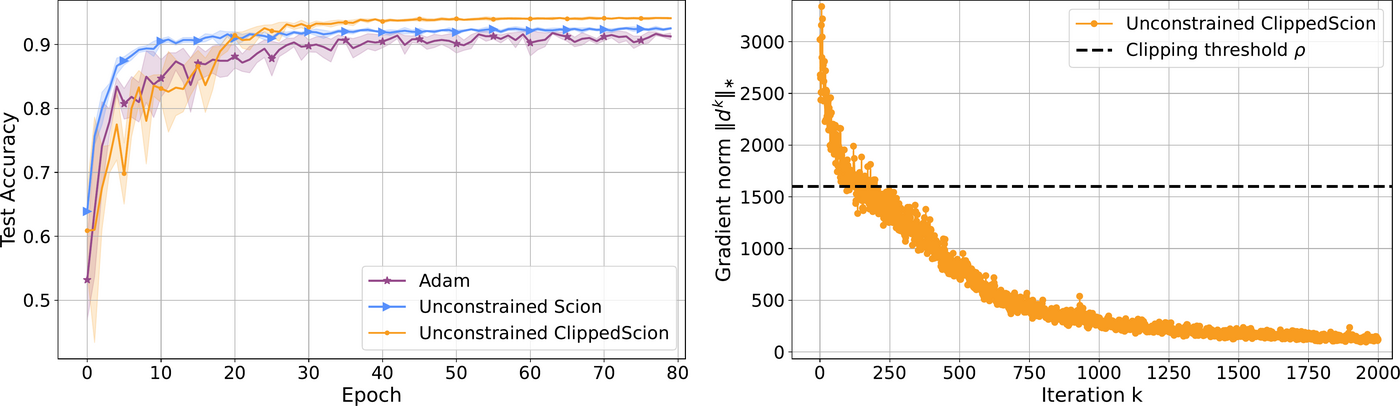
Generalized Gradient Norm Clipping main figure
Generalized Gradient Norm Clipping & Non-Euclidean (L0,L1)-Smoothness
Thomas Pethick, Wanyun Xie, Mete Erdogan, Kimon Antonakopoulos, Antonio Silveti-Falls, Volkan Cevher.
NeurIPS 2025 (Oral).
arXiv   code
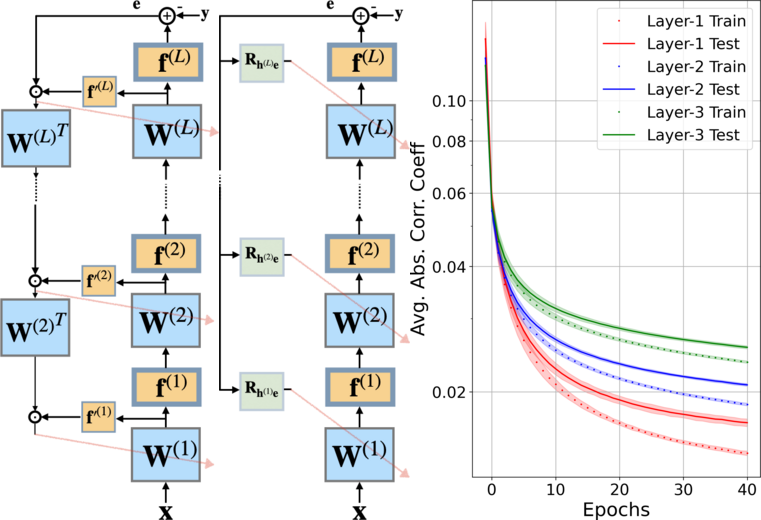
Error Broadcast and Decorrelation Figure 1
Error Broadcast and Decorrelation as a Potential Artificial and Natural Learning Mechanism
Mete Erdogan, Cengiz Pehlevan, Alper T. Erdogan.
NeurIPS 2025 (Spotlight).
arXiv
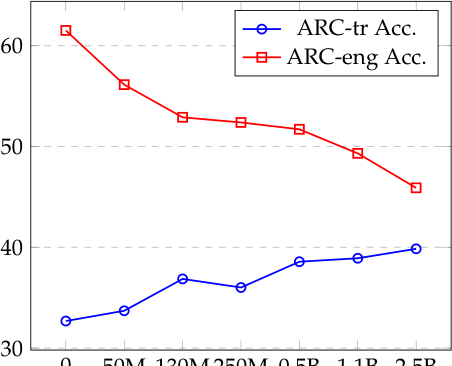
Bridging the Bosphorus main figure
Bridging the Bosphorus: Advancing Turkish Large Language Models through Strategies for Low-Resource Language Adaptation and Benchmarking
Emre Can Acikgoz, Mete Erdogan, Deniz Yuret.
EMNLP 2024 MRL Workshop.
arXiv
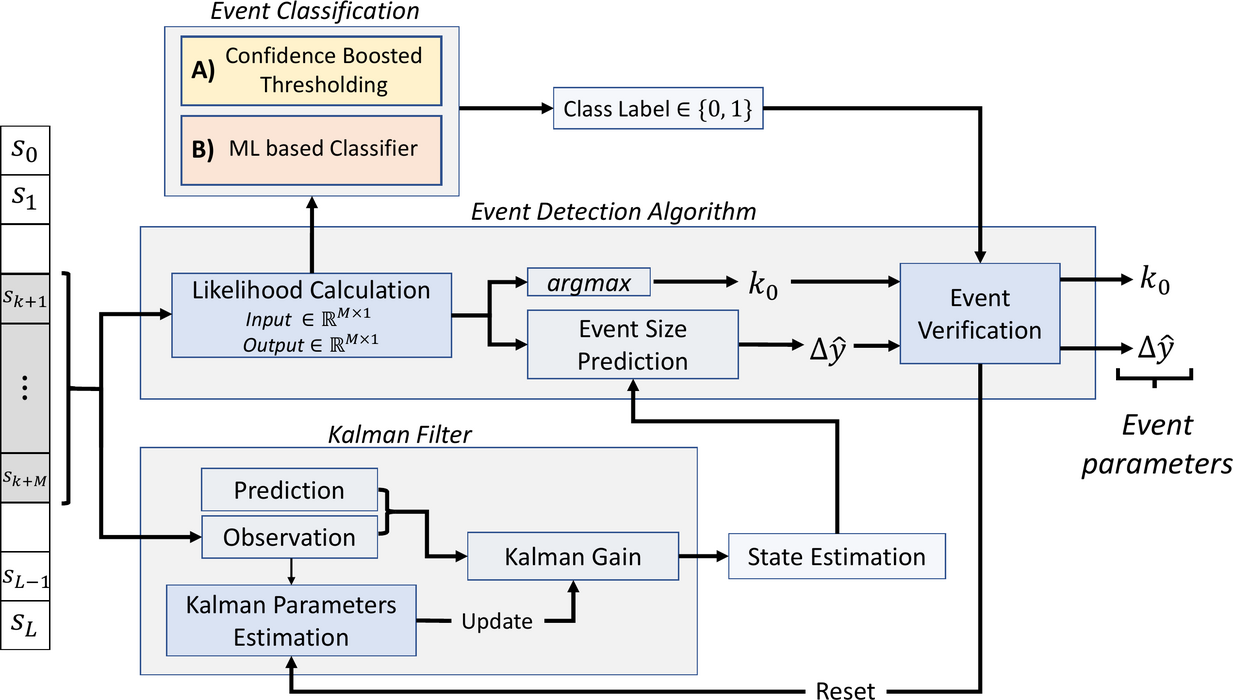
Nanomechanical mass spectrometry Figure 2 method diagram
Machine Learning and Kalman Filtering for Nanomechanical Mass Spectrometry
Mete Erdogan, N. B. Baytekin, S. E. Coban, Alper Demir.
IEEE Sensors Journal, 2024.
arXiv   IEEE

Awards

Education

PhD Student in Electrical Engineering
Stanford University (2025–Present)
Master's Valorization Program - Research Intern
EPFL (2024–2025)
B.Sc. Electrical & Electronics Engineering + Computer Science
Koç University (2019–2024)